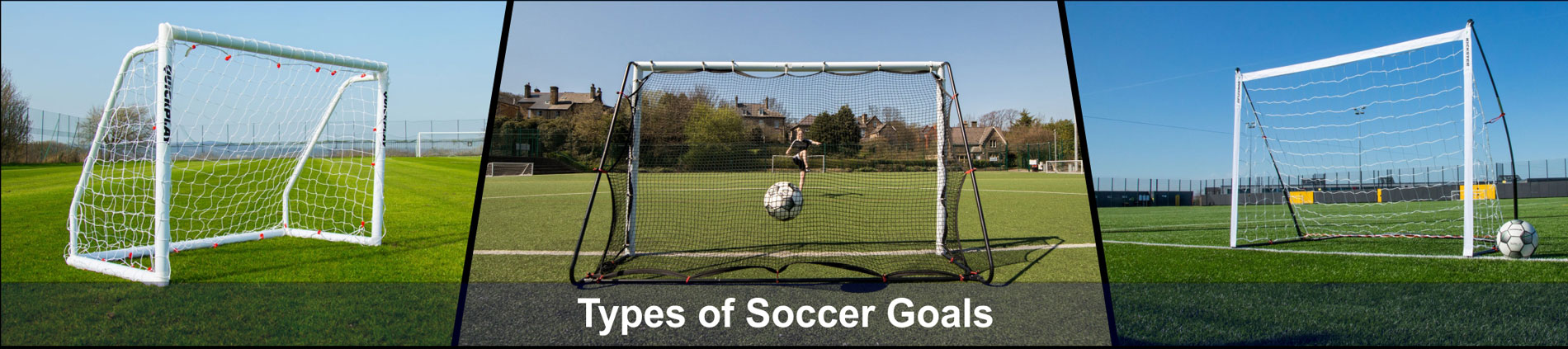
Welcome to this comprehensive guide on the various types of soccer goals! Whether you’re a soccer enthusiast, player, or coach, understanding the different goal types used in the sport is essential. In this article, we will explore and discuss the various types of soccer goals, their features, and their applications. By the end, you’ll have a deep understanding of the options available and be well-equipped to make an informed decision based on your specific needs.
When it comes to soccer goals, there is a wide variety of options available to suit different playing environments, skill levels, and age groups. Let’s explore each type in detail.
Standard goals are the most commonly used type in professional soccer matches and official tournaments. These goals have fixed dimensions of 8 feet in height and 24 feet in width. They are typically made of durable materials like aluminum or steel to withstand the demands of high-level play. The netting used in standard goals is often made of strong, weather-resistant materials to ensure longevity.
Portable goals are designed for convenience and mobility. These goals are lightweight and easy to transport, making them ideal for practice sessions, friendly matches, or recreational play. They are available in various sizes, allowing for customization based on the available space and intended use. Portable goals are often made of materials like PVC or lightweight aluminum, striking a balance between durability and portability.
Futsal is a variant of soccer played on a smaller field with a smaller number of players. Futsal goals are designed to fit the dimensions of the futsal court, measuring 6.7 feet in height and 9.8 feet in width. These goals are typically made of lightweight materials like aluminum to facilitate quick setup and movement during fast-paced futsal matches.
Indoor soccer is played in indoor arenas or gymnasiums, and the goals used in this setting differ from outdoor goals. Indoor goals are typically smaller in size to accommodate the limited space available. They are often constructed with lightweight materials like PVC or aluminum, making them easy to assemble and disassemble. The smaller dimensions of indoor goals create a fast-paced and intense game environment.
Youth soccer goals are specifically designed for young players. These goals are smaller in size compared to standard goals, allowing children to practice and play in a safe and age-appropriate manner. The dimensions of youth goals vary depending on the age group they are intended for. They are usually made of lightweight materials for easy setup and transportation.
Training goals serve a specific purpose in soccer practice sessions. They are often used to improve shooting accuracy, target practice, and skill development. Training goals can come in various sizes and designs, including target goals, rebounders, and pop-up goals. These goals are designed to enhance a player’s technique and precision while providing a challenging training experience.
Rebounders are specialized goals that are designed to bounce the ball back to the player after a shot or pass. They are valuable training tools for practicing ball control, passing accuracy, and reaction time. Rebounders are available in different sizes and shapes, with some models featuring adjustable angles to vary the trajectory of the ball.
Pop-up goals are incredibly convenient due to their ability to quickly expand and collapse. These portable goals are lightweight and easily transportable, making them popular for casual games, recreational play, or impromptu matches. Pop-up goals are typically made of flexible materials like polyester or nylon, allowing for easy folding and storage.
Mini goals, as the name suggests, are small-sized goals often used for small-sided games or backyard play. They are perfect for honing close-range shooting skills and are commonly used in youth training sessions. Mini goals are compact, lightweight, and easily assembled, providing a fun and challenging playing experience for players of all ages.
Beach soccer goals are specially designed for playing soccer on sandy surfaces, such as beaches or sand courts. These goals are constructed with materials that can withstand exposure to sand, saltwater, and changing weather conditions. Beach soccer goals are typically portable, lightweight, and often feature anchor systems to keep them stable in sandy environments.
Street soccer goals cater to the unique needs of playing soccer on urban streets or hard surfaces. They are designed to be durable and withstand the rougher playing conditions typically encountered in street soccer. Street soccer goals often have reinforced frames and heavy-duty nets to endure the impact of the ball and intense gameplay.
Target goals are utilized for precision training and improving shooting accuracy. These goals feature specific target areas, such as corner targets or top corner targets, encouraging players to aim for specific spots on the goal frame. Target goals provide visual cues and help players develop their shooting technique and precision.
PVC goals are affordable and lightweight options commonly used in recreational settings or for younger players. These goals are constructed using PVC pipes as the frame, making them easy to assemble and disassemble. While PVC goals may not be as durable as other materials, they offer a cost-effective solution for practice sessions or backyard games.
Aluminum goals are popular choices for various soccer environments due to their durability and lightweight nature. They provide excellent stability and are resistant to rust or corrosion, making them suitable for both indoor and outdoor use. Aluminum goals often feature reinforced joints and net attachment systems for enhanced strength and longevity.
Fiberglass goals offer a combination of durability and flexibility. They are known for their resistance to harsh weather conditions, making them ideal for outdoor use. Fiberglass goals can withstand impacts and are less prone to denting or bending. Additionally, the lightweight nature of fiberglass goals allows for easy transportation and setup.
Steel goals are the sturdiest and most durable option available. They are commonly used in professional matches or high-level competitions. Steel goals provide exceptional stability and are designed to endure powerful shots without compromising integrity. These goals are heavier than other types and often feature welded frames for added strength.
Foldable goals offer convenience and easy storage. These goals are designed to fold into a compact size, allowing for effortless transportation and space-saving storage. Foldable goals come in various materials such as PVC, aluminum, or steel, catering to different playing environments and needs.
Similar to foldable goals, collapsible goals are designed for easy assembly and disassembly. These goals typically feature a collapsible frame that can be quickly set up or packed away. Collapsible goals are popular for practice sessions, youth games, or recreational play, as they offer the flexibility to quickly adjust the playing area.
Pop-up targets are versatile training tools used to enhance shooting accuracy and precision. These targets can be attached to existing goals or used independently. They feature designated areas or holes for players to aim at, challenging them to hit specific spots on the goal. Pop-up targets are lightweight, portable, and suitable for various skill levels.
Inflatable goals are inflatable structures that provide a quick and easy setup option for soccer games or training. These goals are made from durable materials like PVC and can be inflated using an air pump. Inflatable goals are lightweight, portable, and convenient for recreational play or events where rapid installation is required.
Adjustable goals offer the flexibility to modify the goal size to suit different age groups or skill levels. These goals typically feature telescopic or adjustable frames that allow for height and width adjustments. Adjustable goals are commonly used in youth soccer or training environments where multiple age groups are involved.
Wall-mounted goals are designed to be attached to existing walls or structures, providing a permanent soccer goal solution. These goals are often used in indoor facilities or areas where space is limited. Wall-mounted goals can be made of materials like steel or aluminum, offering durability and stability.
Combination goals serve multiple purposes by incorporating features of different goal types. These versatile goals can be transformed or adjusted to suit various playing conditions or training requirements. Combination goals may include elements like target areas, rebounders, or adjustable components, allowing for a diverse range of practice options.
Arena goals are specifically designed for indoor soccer arenas or large indoor facilities. These goals are typically larger in size to accommodate the spacious playing area. Arena goals are made of durable materials like steel or aluminum to withstand the intensity of indoor play. They provide excellent stability and are often equipped with features like netting systems or ball retention mechanisms.
Competition goals are built to meet the strict regulations and standards set by official soccer organizations. These goals are used in professional matches, tournaments, and high-level competitions. They adhere to specific dimensions, materials, and safety requirements to ensure fair play and player protection. Competition goals are manufactured with utmost precision and quality to meet the demands of top-level soccer.
In conclusion, understanding the different types of soccer goals is essential for players, coaches, and soccer enthusiasts alike. Whether you’re playing in a professional match, practicing your skills, or enjoying a recreational game, choosing the right goal can significantly impact your playing experience. From standard goals to portable options, youth goals to adjustable ones, there is a wide range of choices to suit various playing environments, age groups, and skill levels. By considering factors such as durability, portability, size, and intended use, you can make an informed decision and find the perfect soccer goal for your needs.
Here are some frequently asked questions about soccer goals:
When it comes to soccer, the goal net is an essential element of the game. It not only adds visual appeal but also serves as a crucial component in determining whether a goal has been scored. In this article, we will delve into the significance of soccer goal nets, their construction, materials, and the different types available in the market. We will also explore the importance of proper installation and maintenance for optimum performance and safety.
Choosing the right soccer goal net is vital to ensure a fair and enjoyable game. Let’s take a closer look at the different types of goal nets available:
Standard knotless nets are the most commonly used type in soccer. These nets are constructed without knots, which reduces the risk of players getting tangled or injured during play. Made from durable materials like high-density polyethylene (HDPE) or nylon, these nets provide excellent strength and resistance to weather conditions. They are available in various sizes to fit different goal frame dimensions.
Box nets, also known as stadium-style nets, are designed for professional and high-level competitions. They feature a box-like shape that extends beyond the goal frame, providing additional protection to players and spectators. Box nets are typically made from heavy-duty nylon or polypropylene and are known for their exceptional durability and longevity. These nets are often used in stadiums and professional soccer clubs.
Flexi post goals are a modern innovation in soccer goal net design. The flexi-post soccer net was originaly patented by UK company quickplaysport. These goals feature flexible posts made from materials like high-impact PVC or fiberglass. The flexibility of the posts allows for increased player safety by reducing the risk of injuries upon collision. Flexi post goals often come with knotless nets, combining durability and player protection.
Solid frame goals are known for their robust construction and stability. These goals feature a sturdy frame made from materials like steel or aluminum, ensuring durability and longevity even in demanding conditions. Solid frame goals are often used in professional leagues and high-level competitions where strength and stability are paramount.
Training nets are specifically designed to enhance shooting and goalkeeping skills during practice sessions. These nets are typically smaller in size and easily attachable to existing goal frames. They are made from lightweight materials like mesh or polyester, allowing for easy portability and quick setup. Training nets are an excellent tool for players to improve their accuracy, power, and overall shooting abilities.
Portable nets offer convenience and flexibility, making them an ideal choice for recreational play, youth leagues, or backyard setups. These nets are lightweight and easy to assemble and disassemble, allowing for effortless transportation. Portable nets are often made from materials like fiberglass or aluminum frames and nylon netting. While they may not provide the same durability as professional-grade nets, they offer a practical solution for casual soccer games.
Proper installation and maintenance of soccer goal nets are crucial for safety and longevity. Here are some essential guidelines to consider:
Ensure that the goal frame is securely anchored to the ground to prevent tipping or movement during gameplay. Use ground anchors, weights, or sandbags to provide stability and reduce the risk of accidents.
Regularly inspect the net for any signs of wear, tear, or damage. Replace damaged or worn-out nets promptly to maintain the integrity of the goal and ensure player safety.
Clean the nets regularly to remove dirt, debris, and excess moisture. Proper cleaning and drying help prevent mold, mildew, and deterioration. Additionally,
protect the nets from extreme weather conditions by storing them indoors or using weather-resistant covers. This will help prolong their lifespan and maintain their performance.
Maintain proper net tension to ensure the ball doesn’t get trapped or hindered by loose or sagging nets. Adjust the tension periodically to keep the nets taut and in optimal condition. This will contribute to a fair and enjoyable game, as well as minimize any disruptions during play.
For flexi post goals, regularly inspect the flexibility and integrity of the posts. Check for any signs of damage or wear, such as cracks or bends. Replace any damaged or compromised posts to ensure the continued safety and performance of the goals.
Solid frame goals require routine checks to ensure the stability and durability of the frame. Look for any signs of rust, corrosion, or structural weaknesses. Address these issues promptly by cleaning, treating, or replacing the affected parts to maintain the strength and integrity of the goals.
Soccer goal nets are integral to the game, providing structure, safety, and a visual representation of success. Whether you choose standard knotless nets, box nets, flexi post goals, solid frame goals, training nets, or portable nets, each type serves a specific purpose and contributes to the overall soccer experience. By considering factors such as net type, installation, and maintenance, you can enhance the game while prioritizing player safety and ensuring the durability of the equipment. So, select the right soccer goal net, maintain it diligently, and enjoy countless moments of scoring and celebration on the field.
When it comes to the game of soccer, scoring goals is the ultimate objective. Every player dreams of finding the back of the net and celebrating with their teammates. However, not all goals are created equal. There are various ways that players can score, each requiring different techniques and skills. In this article, we will explore the different scoring methods and provide insights into how they can be achieved.
Scoring a goal in soccer is an exhilarating experience for both players and fans alike. Let’s delve into the different scoring methods and how they are accomplished.
Headers are a classic and impressive way to score goals in soccer. This type of goal is executed by using the head to direct the ball into the net. It requires excellent timing, coordination, and technique. Players must position themselves correctly, anticipate the flight of the ball, and make precise contact with their forehead or any part of their head to generate power and accuracy.
Volley goals are the epitome of skill and finesse in soccer. They occur when a player strikes the ball while it is in mid-air, without letting it touch the ground. Executing a successful volley requires exceptional technique, timing, and balance. Players must make split-second decisions and connect with the ball cleanly to generate power and direct it towards the goal.
Free kicks are an excellent opportunity for players to showcase their accuracy and precision. They are awarded to a team when the opposing team commits a foul. The player taking the free kick has the chance to shoot directly at the goal without interference from defenders. To score from a free kick, players must analyze the positioning of the goalkeeper and the defensive wall, choose the right angle and trajectory, and strike the ball with the appropriate power and accuracy.
Penalty kicks are one of the most intense moments in soccer. They are awarded to a team when the opposing team commits a foul inside their own penalty area. It presents the penalty taker with a one-on-one opportunity against the goalkeeper from the penalty spot. Scoring from a penalty kick requires nerves of steel, composure, and the ability to deceive the goalkeeper with the placement and power of the shot.
Tap-ins may seem simple, but they require excellent positioning and anticipation skills. This type of goal occurs when a player positions themselves in the right place at the right time to easily tap the ball into an open net. Tap-ins often result from rebounds, deflections, or precise passes across the face of the goal. They are a testament to a player’s ability to read the game and be in the right position to capitalize on scoring opportunities.
Long-range goals are a sight to behold and often leave spectators in awe. They occur when a player strikes the ball from a considerable distance outside the penalty area and manages to beat the goalkeeper. Scoring from long-range requires exceptional shooting power, accuracy, and the ability to strike the ball cleanly. It’s a combination of technique, vision, and audacity.
Solo run goals are a showcase of individual brilliance. They happen when a player dribbles past multiple opponents and takes the ball all the way to the goal before scoring. Solo runs require exceptional dribbling skills, speed, agility, and the ability to maintain control of the ball while under pressure
Soccer rebounders are versatile training tools that can greatly improve your technique, control, and overall skills on the field. Whether you’re a beginner looking to develop fundamental abilities or an experienced player aiming to fine-tune your technique, incorporating rebounders into your training routine can take your game to new heights. In this article, we will delve into the ins and outs of using soccer rebounders effectively and provide valuable tips to help you maximize your training sessions.
Conclusion: Soccer rebounders are valuable training tools that can greatly enhance your technique, control, and overall skills on the field. By understanding their purpose and following effective training techniques, you can maximize the benefits they offer. Whether you’re working on passing accuracy